
Facility Management Is Becoming More Strategic
School facility management has always required more than fixing what breaks. But in 2026, that reality is becoming harder to ignore.
Facilities affect nearly every part of the school environment, from safety and comfort to budgeting, scheduling, energy use, and long-term planning. When buildings are well managed, daily operations run more smoothly. When they are not, the impact is felt quickly by students, staff, administrators, and families.
That is why facilities leaders are increasingly being pulled into broader operational conversations. Their insight matters when schools plan capital projects, evaluate building conditions, prepare budgets, manage space, or respond to safety concerns.
This shift is important. Facility teams often see risks and operational gaps before they become visible to everyone else. They understand which systems are aging, which areas are overused, where recurring issues keep showing up, and what it actually takes to keep a campus running day after day.
For education leaders, the trend is clear: facility management should not be treated as a behind-the-scenes function. It belongs in strategic planning conversations, especially as schools look for ways to operate more efficiently, protect their facilities, and create better environments for learning.
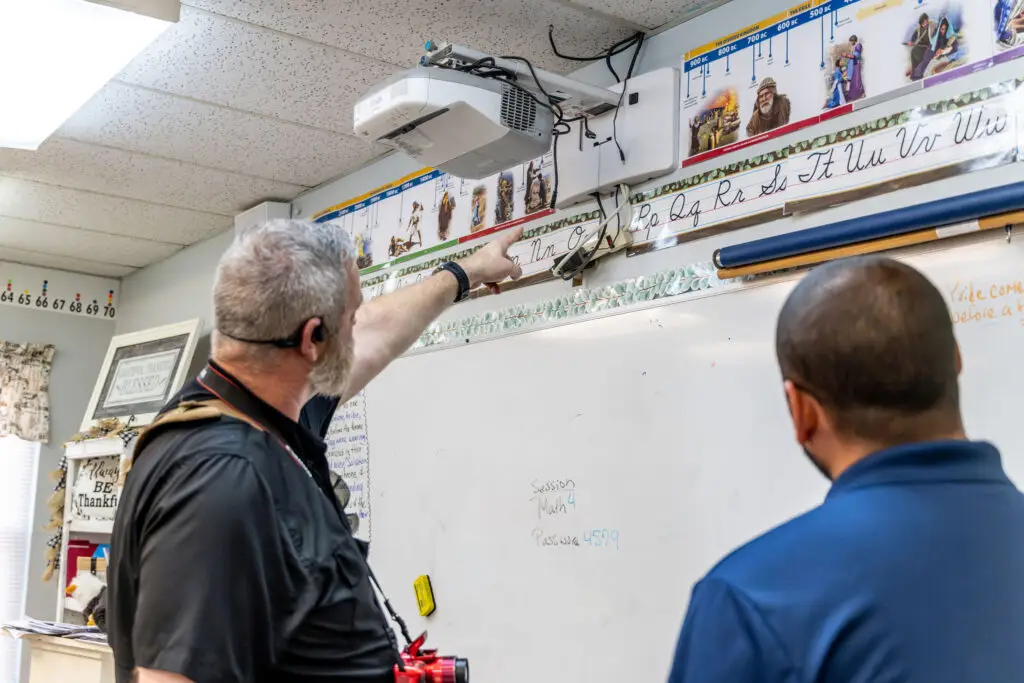
Automation and Predictive Maintenance Are Gaining Ground
For many schools, maintenance has traditionally been reactive.
A request comes in. Something breaks. A system stops working. Then the facilities team responds.
That approach will always be part of the job, but it cannot be the entire strategy. In 2026, more schools are looking for ways to identify issues earlier and reduce the amount of work that depends on manual follow-up.
Automation is a major part of that shift.
Instead of relying on memory, paper calendars, or scattered reminders, facilities teams can use automated processes to keep routine work moving. This can include:
- Recurring preventive maintenance tasks
- HVAC filter change schedules
- Equipment inspections
- Seasonal maintenance reminders
- Follow-up work orders for recurring issues
Predictive maintenance takes that idea further by helping teams respond to patterns before they become failures.
The goal is not to make facilities management overly complicated. It is to give teams better timing and better visibility.
When maintenance is scheduled, tracked, and informed by real facility data, teams can spend less time chasing problems and more time preventing them. That shift is especially valuable in schools, where a single equipment issue can disrupt classrooms, offices, athletic spaces, or events across the campus.
Automation does not replace the judgment of experienced facilities professionals. It supports it by making sure important tasks are not missed and that recurring issues are easier to see.
Cloud-Based Facility Systems Are Becoming Essential
Schools are too complex to manage through disconnected tools forever.
Spreadsheets, paper forms, email threads, and individual staff knowledge may work for a while. But as campuses grow, buildings age, and responsibilities expand, those systems become harder to maintain.

The biggest issue is not just organization. It is continuity.
When facility information lives in too many places, schools can lose track of:
- Open work requests
- Completed maintenance history
- Asset details
- Preventive maintenance schedules
- Vendor notes
- Equipment documentation
- Recurring facility issues
That creates risk, especially when experienced staff retire, change roles, or leave the organization. If key information only exists in someone’s inbox, notebook, or memory, the next person has to rebuild that knowledge from scratch.
Cloud-based facility systems help solve this by giving teams one place to manage work, track history, and preserve important information over time.
For schools, this means better visibility across campuses and fewer gaps between departments, shifts, or staff transitions. It also makes it easier for leadership to understand what work is being done, what needs attention, and where long-term planning may be required.
In 2026, the question is becoming less about whether schools need digital facility systems and more about how quickly they can move away from fragmented processes that slow teams down.
IoT and Smart Building Tools Are Changing Daily Operations
Smart building tools are becoming more relevant to school facility operations because they help teams manage buildings based on what is actually happening across campus.
This can include connected systems such as:
- Occupancy sensors
- HVAC controls
- Access control systems
- Lighting automation
- Energy monitoring tools
- Real-time equipment alerts
For schools, the value is not in adding technology for the sake of it. The value comes from connecting facility systems to daily operations.
For example, HVAC schedules can align with room usage instead of running on static schedules. Access control can support safer building use during events or after-hours activities. Sensors and alerts can help teams notice issues earlier, instead of discovering them after comfort, safety, or energy problems appear.
The key is to start with practical needs.
A school does not need every smart building tool at once. It needs the right tools connected to the right workflows. When those systems work together, facilities teams gain better visibility and can make more informed decisions throughout the day.
In 2026, smart building tools will continue moving from “nice to have” technology to practical operational support, especially for schools managing multiple buildings, after-hours events, and increasingly complex facility demands.
Staffing Pressure Is Forcing Smarter Workflows
Many school facilities teams are being asked to manage more complexity with limited time, staff, and budget.
That pressure is not new, but it is becoming harder to ignore as campuses add more systems, events, safety requirements, and maintenance demands.
For many teams, the answer is not simply “do more.” That usually leads to burnout, rushed work, and missed details.
Instead, schools need smarter workflows that help teams focus their time where it matters most.
That can include:
- Clearer task assignments
- Better work order prioritization
- Standardized procedures
- More intentional vendor management
- Recurring maintenance schedules
- Training for new and existing team members
- Better visibility into what has been completed and what is still pending
This also changes the role of facilities leadership. School facilities leaders increasingly need to be comfortable with both building operations and technology. They do not need to become software experts, but they do need to understand how digital tools can reduce manual work and improve coordination.
Outsourcing may also play a larger role in some areas. Specialized maintenance, seasonal work, complex repairs, and technical services may be better handled by outside experts, while internal teams stay focused on daily operations and campus priorities.
The goal is not to replace people with processes or technology. It is to give teams the structure they need to work more efficiently, communicate more clearly, and avoid carrying every operational challenge through personal effort alone.
Sustainability and Energy Efficiency Are Becoming Operational Priorities
Energy efficiency is no longer just a facilities preference or a sustainability initiative. It is becoming a practical operations priority.
School buildings use energy throughout the day in ways that are easy to overlook:
- HVAC systems running before, during, and after school hours
- Lights staying on in unused rooms
- Gyms, cafeterias, and auditoriums operating on different schedules
- After-hours events extending building use
- Older equipment consuming more energy than necessary
Small inefficiencies can become normal when no one has clear visibility into how spaces are being used.
That is why energy management is increasingly tied to scheduling, automation, and facility planning. When teams understand when spaces are occupied, which systems are running, and where waste is occurring, they can make better decisions without compromising comfort or safety.
Practical improvements may include:
- Aligning HVAC schedules with actual room usage
- Using lighting controls in low-occupancy areas
- Reviewing utility trends over time
- Prioritizing efficient equipment during replacements
- Reducing unnecessary runtime during evenings, weekends, and breaks
The goal is not simply to reduce utility costs. It is to operate buildings more responsibly and make better use of limited resources.
In 2026, energy efficiency will continue to be part of the broader facility management conversation because it touches budgets, sustainability goals, equipment performance, and the daily experience of students and staff.
Stronger Networks and Ongoing Learning Matter More Than Ever
Facility work can become isolated quickly.
A school facilities leader may be surrounded by people all day and still have very few peers who fully understand the scope of the role. The combination of maintenance needs, budget pressure, safety concerns, staff coordination, and long-term planning creates a unique set of challenges.
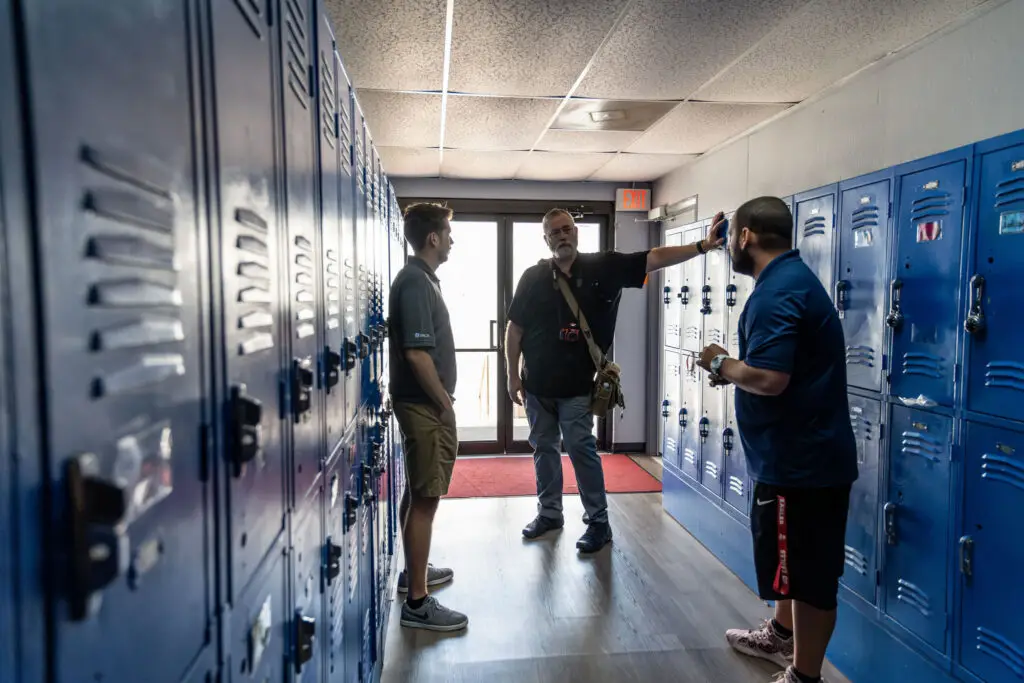
That is why peer connection and ongoing learning matter.
Facilities leaders benefit from having access to people who have solved similar problems, tested different approaches, and learned through experience. A conversation with another facilities professional can often surface ideas that are difficult to find internally.
That learning can happen through:
- Professional associations
- Conferences and workshops
- Peer groups
- Vendor conversations
- Online communities
- Training programs
- Conversations with nearby schools or districts
Ongoing education also helps leaders stay current as facility systems become more connected and technical. HVAC controls, access systems, work order platforms, energy tools, and safety procedures are all evolving. The role requires continuous learning, not just years of experience.
The strongest facilities leaders are not the ones trying to figure everything out alone. They build relationships, ask better questions, and keep learning so they can bring better ideas back to their campuses.
Preparing School Facilities for 2026
The future of school facility management is not about chasing every new trend. It is about building operations that are more proactive, connected, and sustainable.
That starts with treating facilities as a strategic part of the school environment, not just a support function. It also means giving teams better systems for planning work, tracking assets, managing energy use, coordinating schedules, and preserving knowledge over time.
Some improvements may involve technology. Others may involve better communication, stronger workflows, clearer documentation, or more intentional professional development.
The important thing is to start moving in the right direction.
Schools that invest in stronger facility operations now will be better prepared for aging buildings, tighter resources, staffing challenges, and rising expectations. They will also be better positioned to create campuses that are safe, efficient, and ready to support the work of education every day.