
Preventive maintenance is not about doing more work. It’s about doing the right work at the right time.
In many schools, maintenance naturally becomes reactive. Something breaks, a request comes in, and the team responds. That approach keeps things running in the short term, but it also means that many smaller tasks get pushed aside, usually those that don’t feel urgent. Over time, those overlooked tasks start to add up.
Preventive maintenance is a shift in approach. Instead of waiting for issues to surface, it focuses on regularly scheduled tasks that keep systems and spaces functioning as they should. This includes routine inspections, minor adjustments, and basic upkeep that help extend equipment lifespan and prevent avoidable disruptions.
It doesn’t require complex processes or specialized expertise to get started. What matters most is having a clear understanding of what needs attention and building a consistent routine around it. When those two elements are in place, maintenance becomes less about reacting and more about staying in control of the facility.
What to Do: The Core Areas Schools Should Stay On Top Of
Preventive maintenance becomes much easier when it’s clearly defined. Instead of relying on memory or reacting to what comes up, schools benefit from having a structured set of areas to review regularly.
While every campus is different, most preventive maintenance plans revolve around a few core categories:
- Custodial and general upkeep: Routine cleaning, waste management, and sanitation across classrooms, restrooms, and common areas. These tasks support both health and day-to-day functionality.
- HVAC systems: Regular filter changes, inspections, and servicing to maintain air quality and system performance. HVAC issues are often gradual, making them easy to miss without a schedule.
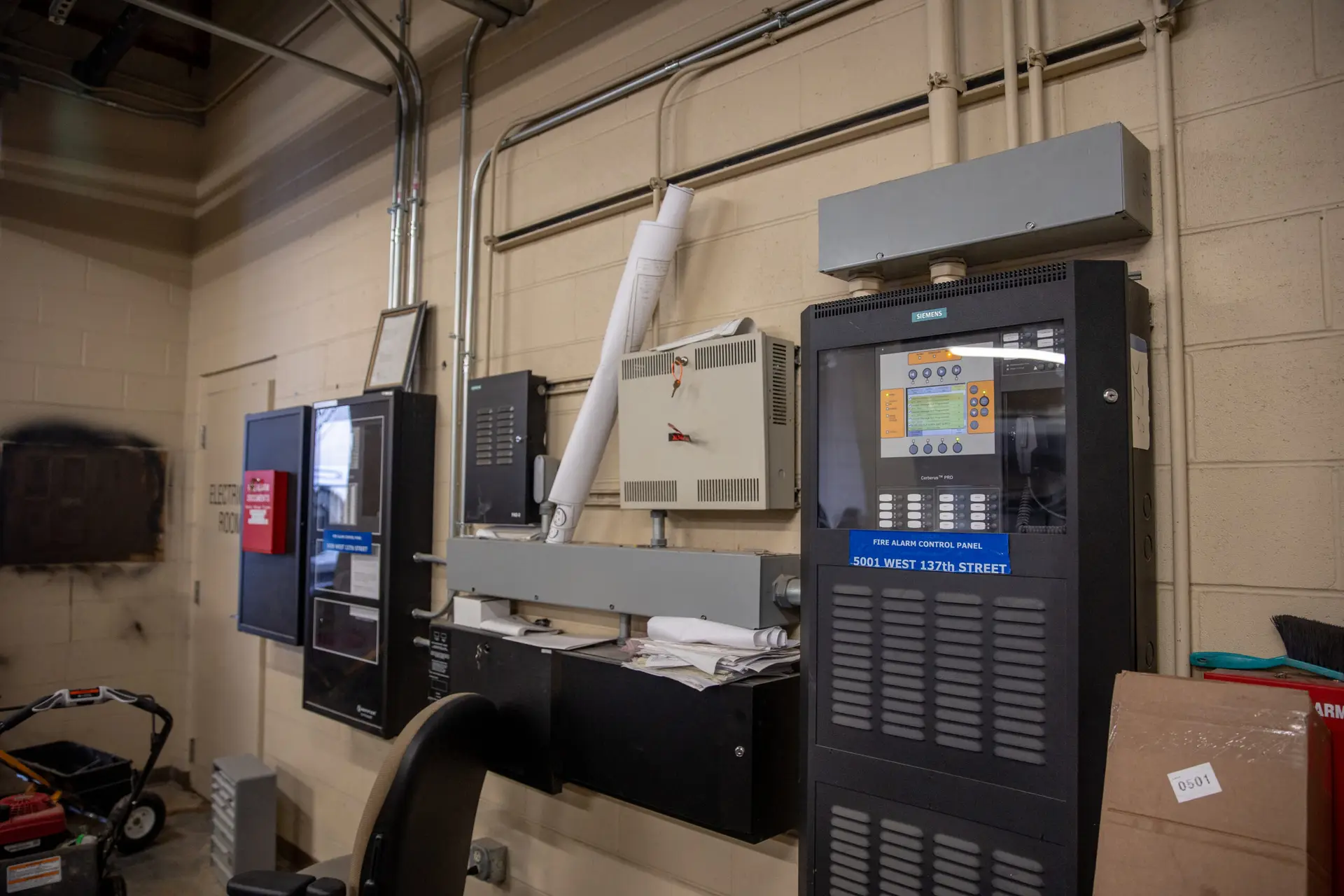
- Electrical systems: Checking for code compliance, ensuring outlets and lighting are functioning properly, and addressing early signs of wear or risk.
- Building interior and finishes: Paint touch-ups, flooring conditions, lighting, and general wear in high-traffic areas can affect both safety and perception.
- Exterior and grounds: Landscaping, drainage, walkways, and outdoor signage. These areas are often the first to show signs of deterioration and impact how the facility is experienced.
- Parking lots and access areas: Striping, cracks, potholes, and overall safety of vehicle and pedestrian flow.
- Roofing and structural elements: Periodic inspections to catch early signs of damage before they lead to leaks or more extensive repairs.
Having these categories defined gives teams a clear starting point. To make this easier to apply in practice, you can follow a structured format, such as our Preventive Maintenance Checklist, which helps organize tasks and ensures nothing important is overlooked.
The goal is not to create an exhaustive list overnight, but to build a reliable baseline that can be repeated and refined over time.
When to Do It: Building a Realistic Maintenance Rhythm
Knowing what to do is only part of the equation. The real challenge is deciding when those tasks actually happen and making sure they don’t get pushed aside.
Preventive maintenance works best when it follows a simple, repeatable rhythm. Not everything needs to be done at once. In fact, trying to tackle everything simultaneously usually leads to inconsistency. Instead, tasks should be spread out based on how often they’re needed and how critical they are to daily operations.
A practical way to approach this is by thinking in time intervals:
- Daily and weekly tasks: These are the basics that keep the school running smoothly—cleaning, quick inspections, and addressing visible issues before they escalate.
- Monthly checks: Slightly deeper reviews, such as checking HVAC performance, inspecting lighting, and identifying early signs of wear in high-traffic areas.
- Seasonal tasks: Preparing for changes in weather, such as servicing HVAC systems before peak usage, clearing drainage systems, or inspecting roofs after storms.
- Annual inspections: More comprehensive reviews of major systems and structural elements to ensure long-term reliability and safety.
The goal isn’t to build a perfect schedule from day one. It’s to create a cadence that your team can realistically follow. When tasks are assigned clear timeframes and become part of a routine, they’re far less likely to be overlooked.
Over time, this rhythm creates consistency. And consistency is what turns preventive maintenance from a list of good intentions into a reliable part of your operations.
Why It Matters: From Routine Tasks to Long-Term Control
When preventive maintenance is consistent, the impact goes beyond completing tasks on a schedule. It changes how schools manage their facilities.
Instead of operating with limited visibility, teams begin to see patterns. Recurring issues become easier to spot, equipment performance becomes more predictable, and decisions are based on what’s actually happening across the campus, not just what feels urgent at the moment.
This shift creates a stronger sense of control. Work can be planned instead of rushed. Budgets become easier to manage because expenses are more predictable. And teams spend less time responding to unexpected problems and more time maintaining overall facility health.
It also improves coordination. When maintenance follows a clear rhythm, it’s easier to align work with the school calendar, avoid disruptions, and ensure that spaces are ready when they’re needed most.
Over time, preventive maintenance becomes less about individual tasks and more about building a system that supports the entire campus. One that keeps facilities reliable, reduces uncertainty, and allows teams to focus on what matters most, creating a safe, functional environment for students and staff.
Platforms like eSPACE can help support this shift by turning preventive maintenance into a more automated, trackable process. Tasks can be scheduled in advance, assigned to the right team members, and documented over time, making it easier to stay consistent and maintain visibility across all facilities without relying on manual tracking.