
Facility issues rarely begin as emergencies. They gradually develop small signs of wear that are easy to overlook during day-to-day operations. A minor roof vulnerability, a crack in pavement, inconsistent HVAC performance, or early signs of water intrusion may not seem urgent at first. Left unaddressed, however, these issues tend to escalate into more complex and costly problems.
When facilities are busy and teams are focused on immediate needs, it’s easy for less visible issues to go unnoticed. Over time, those gaps in visibility lead to deferred maintenance, repairs that are postponed until they can no longer be ignored. By that point, the scope of work is larger, the cost is higher, and the disruption to students and staff is more significant.
Deferred maintenance is not simply a matter of delay. It changes the nature of the problem. What could have been resolved with a routine fix often turns into a larger repair, a replacement, or an urgent project that requires immediate attention.
What a Periodic Site Assessment Looks Like in Practice
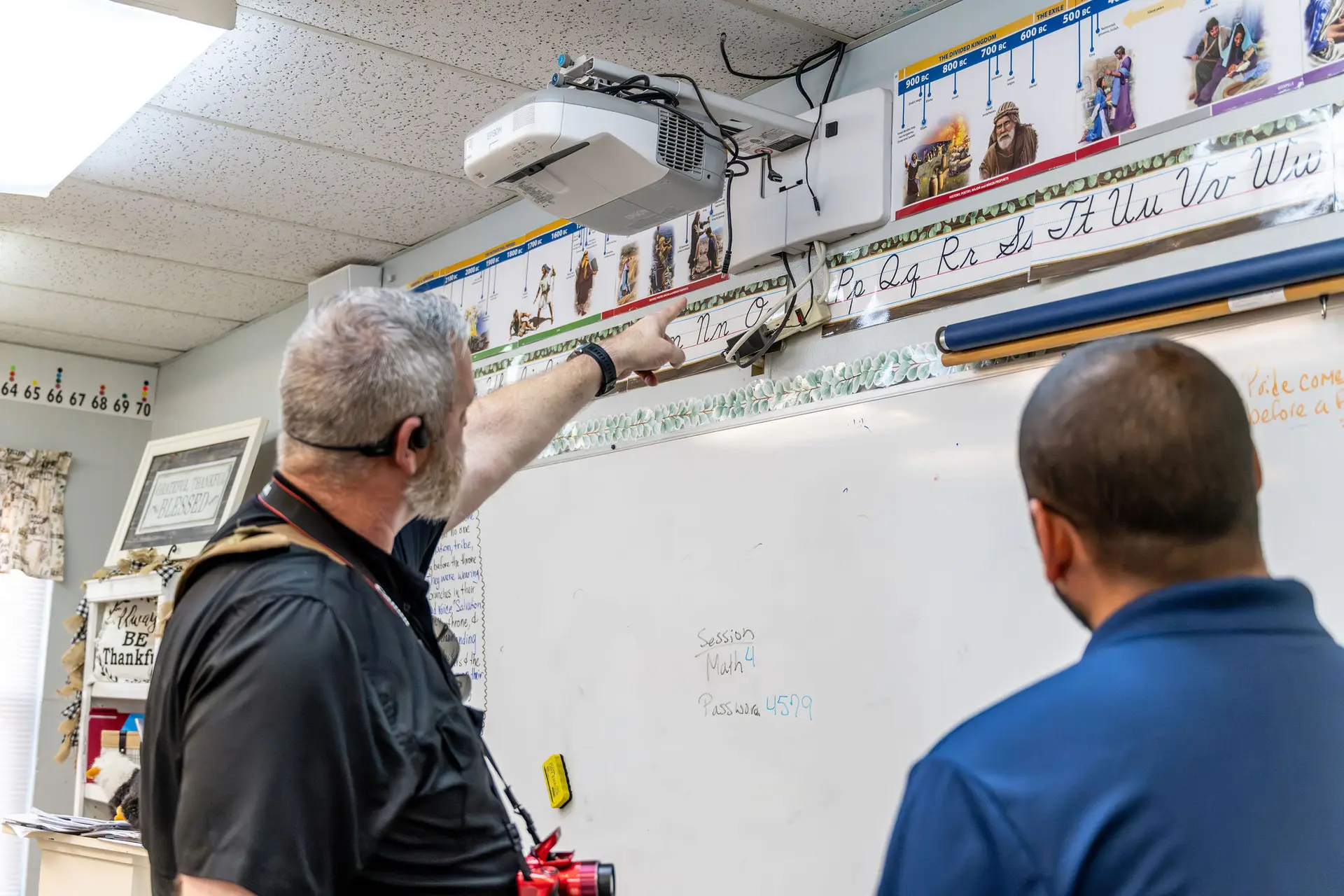
A periodic site assessment is a structured walkthrough of your campus with the goal of identifying issues early and documenting them before they escalate. It’s not a one-time inspection or a reaction to a problem; it’s a repeatable process that brings consistency to how facilities are reviewed over time.
The most effective assessments follow a simple pattern. They begin outside, where early signs of wear are often easiest to spot. Parking lots, walkways, drainage areas, exterior walls, and landscaping can reveal issues related to safety, water management, or general upkeep. These are also the first areas students, staff, and visitors encounter, making them important from both a functional and a perception standpoint.
From there, the walkthrough continues indoors. High-traffic areas such as entrances, hallways, classrooms, and restrooms should be reviewed closely, as these spaces experience the most consistent use. Signs of wear, cleanliness, lighting conditions, and overall functionality all contribute to how well the facility supports daily operations.
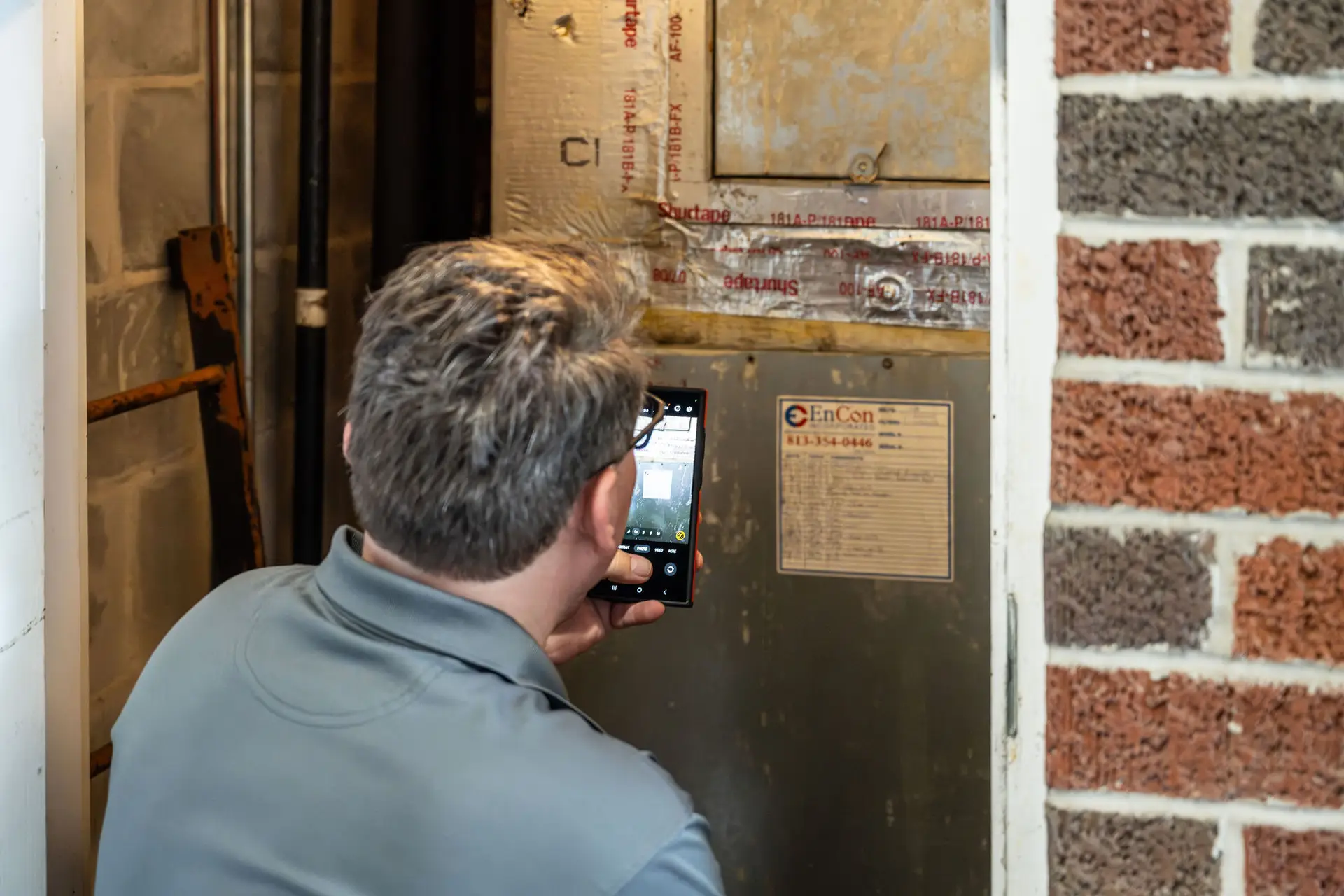
Just as important are the areas that are often overlooked. Storage rooms, stairwells, mechanical spaces, and secondary corridors may not see constant activity, but issues in these spaces can still impact safety and performance if left unaddressed.
Approaching these walkthroughs with a “fresh eyes” perspective can make a meaningful difference. Viewing the campus as a student, staff member, or visitor would help surface issues that might otherwise be ignored simply because they’ve become familiar.
When done consistently, periodic site assessments provide a clearer picture of facility conditions across the entire campus and create a reliable starting point for addressing issues before they become costly problems.
From Walkthroughs to Strategic Planning
A periodic site assessment is only as valuable as what follows it. Identifying issues is an important first step, but long-term impact comes from consistency, documentation, and the ability to act on what is found.
Without a structured approach, walkthroughs can become informal. Notes are taken, photos are saved, but findings are not always tracked or prioritized over time. As a result, recurring issues may go unnoticed, and small problems can resurface in future assessments without ever being fully resolved.
Establishing a consistent process helps address this. Using a standardized checklist ensures that each walkthrough follows the same criteria, making it easier to compare conditions over time and maintain visibility across the campus. To support this, we’ve created a free Periodic Site Inspection template, designed to guide teams through inspections and document key observations in a clear, repeatable way.
For schools looking to take a more comprehensive approach, a Facility Condition Assessment (FCA) provides deeper insight. While periodic walkthroughs help identify visible issues, an FCA evaluates building systems, asset conditions, and long-term capital needs in a structured and data-driven format. This allows leadership to move beyond immediate repairs and begin planning for future investments with greater confidence.
When assessments are consistent and well-documented, they shift from simple walkthroughs to a reliable input for maintenance planning and long-term facility strategy.
Preventing Problems Before They Become Projects
Facility challenges rarely come from a lack of effort. In most cases, teams are working hard to maintain their campuses, respond to requests, and keep everything running. The difficulty is not effort, it’s timing. Issues are often addressed only once they become visible or urgent, at which point the scope, cost, and disruption are already higher.`
Regular site assessments change that dynamic. They create visibility before problems escalate and allow teams to respond while issues are still manageable. Instead of reacting to failures, schools can plan repairs, prioritize work, and maintain control over both costs and timelines.
Over time, this approach leads to more predictable operations. Maintenance becomes more consistent, budgets are easier to manage, and facilities remain in better condition without relying on last-minute fixes. Just as importantly, it reduces the likelihood of large, disruptive projects that could have been avoided with earlier intervention.
When paired with a system that tracks findings, assigns work, and maintains a record of completed tasks, periodic assessments become part of a larger, more proactive strategy. Instead of isolated walkthroughs, they become a reliable process for maintaining the health of the entire campus.
A More Intentional Way to Care for Your Campus
At its core, a periodic site assessment is about staying ahead. Not chasing problems, not reacting under pressure, but creating a simple, consistent rhythm that keeps your facilities in view.
Small issues will always exist. That’s part of managing any campus. The difference is whether they’re caught early, understood clearly, and addressed in time or allowed to grow into something more disruptive and expensive.
When schools commit to regular assessments, they gain more than a list of repairs. They gain clarity. A clearer understanding of their facilities, better control over maintenance decisions, and the ability to plan with confidence instead of urgency.
Over time, that shift compounds. Fewer surprises. Fewer emergency fixes. More predictable budgets. And ultimately, facilities that better support the people who rely on them every day.
It doesn’t require a complex system to get started, just a consistent approach, a willingness to look closely, and the discipline to follow through.